
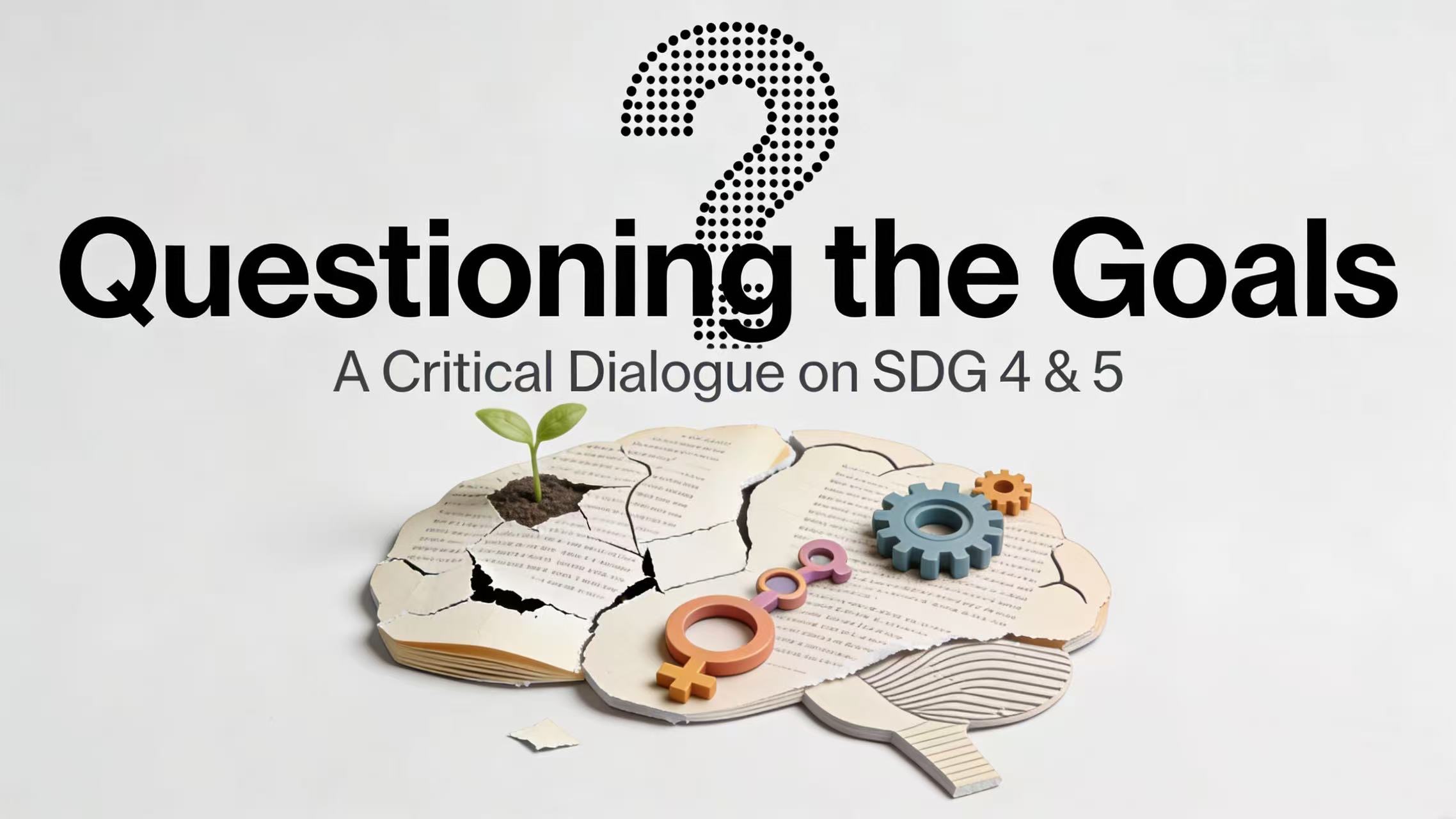

SDG 4 – The Hidden Curriculum: How Indian Schools Perpetuate Caste Inequality
The Issue
India has made significant progress in enrolling children in school, aligning with SDG 4's goal of inclusive education. Yet, for students from Dalit (formerly "untouchable") communities, the classroom often reinforces social hierarchy rather than disrupting it.
A Closer Look
While access has improved, the quality of education remains deeply unequal. Dalit children are frequently tracked into under-resourced schools and face discrimination from teachers and peers, ranging from social segregation to verbal abuse (Deshpande & Ramachandran, 2019). The curriculum itself often ignores their history and contributions, sending a message of marginalization. This reality reflects what the educator Paulo Freire warned against: an education system that serves to domesticate and maintain the status quo, rather than to liberate and empower critical thinkers (Freire, 1970).
What This Means for SDG 4
This case shows that achieving "quality education" requires more than building schools. It demands a direct confrontation with the social prejudices embedded within the education system itself. True inclusivity means overhauling the "hidden curriculum"—the unspoken lessons about power and worth that students absorb every day.

SDG 5 – The Controlled Empowerment of Women in K-pop
The Issue
South Korea's K-pop industry is a global powerhouse often celebrated as a symbol of modern female empowerment and soft power. However, a closer look reveals a stark contradiction between the confident image of its female stars and the intensely controlled conditions of their labor.
A Closer Look
Female K-pop idols perform a highly scripted version of empowerment. Their images are meticulously crafted, straddling stereotypes like the innocent "girl-next-door" and the fierce "independent woman"—all designed for maximum market appeal (Lie, 2022). Behind the scenes, their agencies exert extreme control through notoriously restrictive contracts, strict diets, and surveillance of personal lives. This turns empowerment into a commercial product. Philosopher Judith Butler's idea that gender is a repetitive performance under social enforcement helps explain this: the industry dictates a narrow, profitable script of femininity that idols must constantly perform (Butler, 1990).
What This Means for SDG 5
The K-pop model highlights a critical lesson for gender equality: visibility and economic success are not the same as autonomy. Progress on SDG 5 cannot be measured by how many women are on stage, but by how much control they have over their own careers, bodies, and lives. Real empowerment requires shifting power from corporations to the women themselves.